

Arthritis is one of the most common conditions affecting dogs and cats, yet it’s also one of the most frequently missed. Our pets can’t tell us when their joints hurt, and they’re experts at hiding discomfort. As a result, many pet owners assume that slowing down is just part of getting older. However, arthritis is a painful, progressive condition that can be managed effectively when it’s caught early. Learning to recognize the subtle signs can make an enormous difference in your pet’s comfort and quality of life.
What Is Arthritis in Pets?
Arthritis, also called osteoarthritis or degenerative joint disease, occurs when the cartilage cushioning the joints gradually breaks down. Over time, the bones within the joint begin rubbing against each other, causing inflammation, stiffness, and pain. Additionally, the body responds by forming bone spurs and thickened joint tissue, which can further restrict movement.
Unlike humans, pets rarely show dramatic limping at the early stages. Instead, arthritis typically develops slowly, and the changes you notice may seem like ordinary aging. Therefore, understanding what to look for is essential.
Who Is at Risk?
Arthritis can affect pets of any age, but certain animals face higher risk. Moreover, the following factors increase the likelihood of joint problems:
- Age: Most cases occur in middle-aged and senior pets, though young animals can develop arthritis too
- Breed: Large and giant breed dogs, such as Labrador Retrievers, German Shepherds, and Great Danes, are especially prone to joint disease
- Weight: Excess weight places constant stress on joints and accelerates cartilage damage
- Previous injuries: Torn ligaments, fractures, or repetitive strain can lead to arthritis years later
- Developmental conditions: Hip and elbow dysplasia significantly increase the risk of arthritis
Cats are also commonly affected. In fact, studies suggest that a large percentage of senior cats show evidence of arthritis, even though many owners never notice a problem.
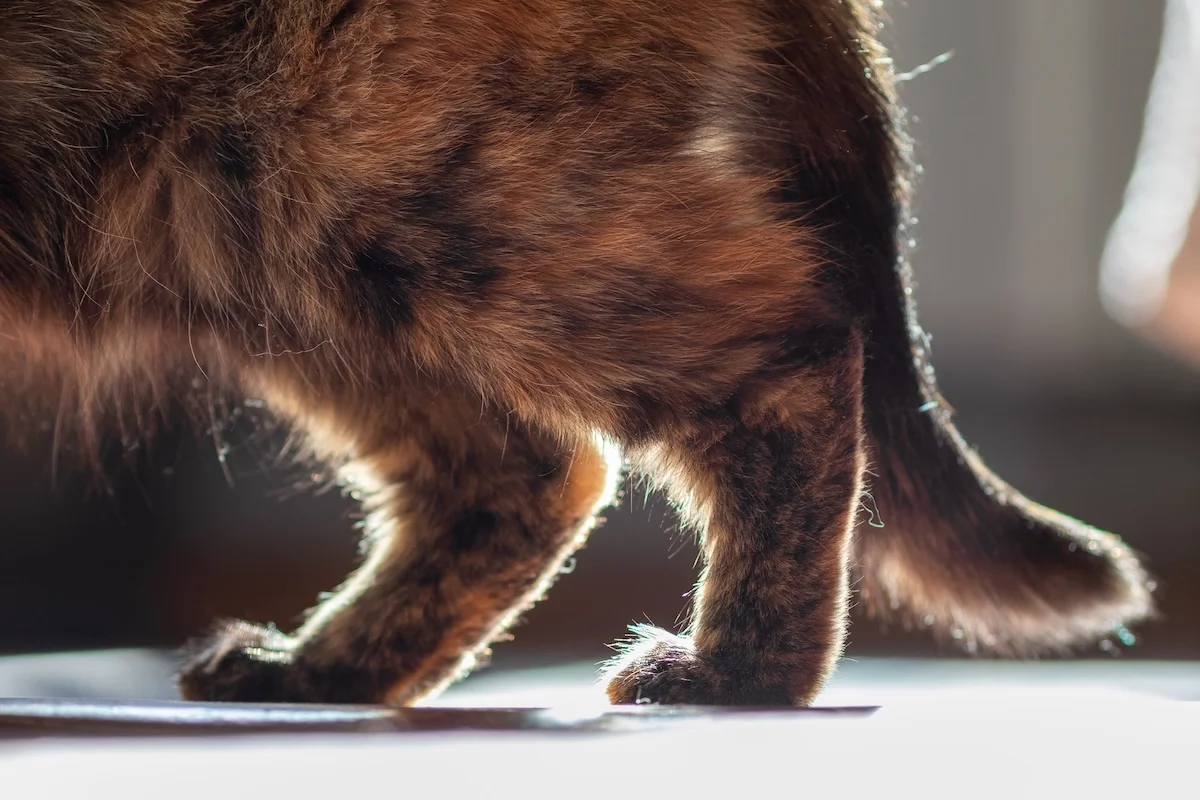
Common Signs of Arthritis Pain in Dogs
Dogs often show their discomfort through changes in movement and daily habits. Furthermore, these signs may appear gradually, making them easy to overlook.
Stiffness After Rest
One of the earliest signs is stiffness, particularly after napping or first thing in the morning. For instance, your dog might struggle to stand up, take several steps before walking normally, or move slowly on stairs. Typically, this stiffness improves once they warm up, but it can return after periods of rest.
Reluctance to Exercise
A dog who used to love long walks may suddenly want to turn back early. Similarly, they may lag behind on hikes, refuse to fetch, or avoid games they once enjoyed. Consequently, many owners mistakenly attribute this change to boredom or age alone.
Difficulty With Stairs and Jumping
Pay attention to how your dog handles stairs, couches, car rides, and other jumps. Moreover, dogs with arthritis often hesitate before jumping, take stairs one step at a time, or ask for help getting into the car.
Changes in Posture
Watch for a dog who sits with one leg stretched out to the side, shifts weight off a sore limb, or hunches their back. Additionally, some dogs keep their tail lower than normal or hold their hindquarters differently while standing.
Licking or Chewing at Joints
Excessive licking, chewing, or biting at a specific joint can signal localized pain. Furthermore, this behavior sometimes leads to hair loss or skin irritation over the affected area.
Behavioral Changes
Pain often affects temperament. Therefore, a normally friendly dog may become irritable, snap when touched in a sore area, or withdraw from family activities. Conversely, some dogs become clingy or restless because they can’t find a comfortable position.
Common Signs of Arthritis Pain in Cats
Cats are particularly skilled at masking pain, which makes arthritis especially challenging to detect. Nevertheless, several subtle changes can reveal what’s happening beneath the surface.
Reduced Jumping
One of the most telling signs is a cat who no longer leaps onto counters, windowsills, or favorite perches. Instead, they may use stairs, step stools, or furniture as a ramp. Additionally, you might notice them hesitating before jumping or misjudging the distance.
Litter Box Problems
Cats with arthritis may struggle to climb over the sides of the litter box or squat comfortably. As a result, they may begin eliminating outside the box. Therefore, litter box accidents should always prompt a conversation with your veterinarian.
Grooming Changes
Cats are typically meticulous groomers. However, arthritic cats often groom less, particularly along the back, hips, and base of the tail. Consequently, their coat can appear unkempt, greasy, or matted.
Sleeping More
Increased sleeping is common, but it’s important to distinguish between normal rest and pain-related lethargy. For example, a cat who sleeps in the same spot for long periods and resists moving may be uncomfortable.
Personality Shifts
Some cats become less social or more irritable. Moreover, they may hiss or swat when touched around sore joints, or they may stop greeting family members at the door.
Less Obvious Signs to Watch For
Some signs of arthritis are easy to miss because they seem unrelated to joint pain. However, these changes deserve attention:
- Weight gain from reduced activity
- Trouble getting up from lying down
- Reluctance to be brushed or handled on certain areas
- Panting or restlessness at night
- Muscle loss in the hind legs
- Frequent or unusual vocalization, especially at night
Because these signs develop gradually, keeping a simple journal of your pet’s daily activities can help you spot patterns. Furthermore, noting changes in mobility, appetite, and mood gives your veterinarian valuable information.
How Veterinarians Diagnose Arthritis
If you notice any of these signs, your veterinarian will begin with a thorough physical examination. During this exam, they’ll evaluate how your pet walks, stands, and moves through a range of motion. Additionally, they’ll gently feel the joints for swelling, heat, or pain.
Diagnostic imaging, such as X-rays, often confirms arthritis by revealing changes in the joints. Moreover, blood work may be recommended to rule out other conditions and ensure your pet is healthy enough for treatment. Your veterinarian will also ask detailed questions about your pet’s behavior at home, since you’re the best observer of their daily habits.
Treatment and Management Options
The good news is that arthritis is highly manageable. Although the condition itself can’t be reversed, a combination of approaches can significantly reduce pain and improve mobility.
Weight Management
Maintaining a healthy weight is one of the most effective ways to reduce joint stress. Furthermore, even modest weight loss can improve comfort and mobility in overweight pets. Your veterinarian can recommend an appropriate diet and portion plan.
Pain Medication
Veterinary-approved anti-inflammatory and pain medications can dramatically improve quality of life. However, never give your pet human pain relievers such as ibuprofen, naproxen, or acetaminophen, as these are toxic to dogs and cats.
Joint Supplements
Supplements containing omega-3 fatty acids, glucosamine, and chondroitin may support joint health for some pets. Nevertheless, supplement quality varies, so discuss options with your veterinarian before starting any product.
Physical Therapy and Exercise
Controlled, consistent exercise helps maintain muscle strength and joint flexibility. Additionally, underwater treadmill therapy, gentle walks, and targeted rehabilitation exercises can be highly beneficial. Meanwhile, avoid high-impact activities that stress sore joints.
Home Modifications
Simple changes around the house can make daily life easier. For example, consider pet ramps for beds and couches, non-slip rugs on hard floors, and low-entry litter boxes for cats. Furthermore, orthopedic beds provide cushioning and support for aching joints.
Why Early Detection Matters
Catching arthritis early gives you more options for managing the condition. Moreover, early intervention can slow progression and help your pet stay active for longer. Conversely, waiting until pain is severe may limit your treatment choices and make recovery more difficult.
Early treatment also prevents secondary problems. For instance, a pet who avoids using a painful leg may develop muscle loss or compensatory injuries elsewhere in the body. Therefore, addressing pain promptly protects your pet’s overall health.

When to Contact Your Veterinarian
Schedule a veterinary visit promptly if you notice any of the following:
- Limping that lasts more than a day or two
- Sudden reluctance to move or play
- Difficulty standing, climbing, or jumping
- Litter box accidents in cats
- Excessive licking at a specific joint
- Changes in temperament or response to touch
For sudden severe lameness, inability to stand, or obvious swelling and heat in a joint, contact your veterinarian or emergency clinic right away.
Keeping Your Pet Comfortable Year-Round
Ongoing care plays a major role in managing arthritis. Furthermore, regular wellness exams allow your veterinarian to monitor joint health and adjust treatment as needed. You can learn more about what to expect in our guide to pet wellness exams and why regular checkups matter.
Between visits, maintain a consistent exercise routine, keep your pet at a healthy weight, and watch for changes in mobility or behavior. Additionally, consider keeping a log of your pet’s activity levels to share during appointments. Over time, these details help your veterinarian create a personalized care plan.
For more information on arthritis and joint health in pets, the American Animal Hospital Association offers trusted resources for pet owners.
Schedule an Arthritis Evaluation Today
If your pet has been slowing down, struggling with stairs, or showing any of the signs described above, don’t assume it’s just old age. Arthritis pain is real, and your pet deserves relief. Schedule an appointment with Animal Care Center to have your pet’s joints evaluated and discuss a plan to keep them moving comfortably.
Our compassionate team will examine your pet, answer your questions, and create a personalized approach to managing pain and improving mobility. With the right care, many pets with arthritis continue to enjoy walks, play, and cuddles for years to come. Reach out today, and let’s help your companion feel like themselves again!


